
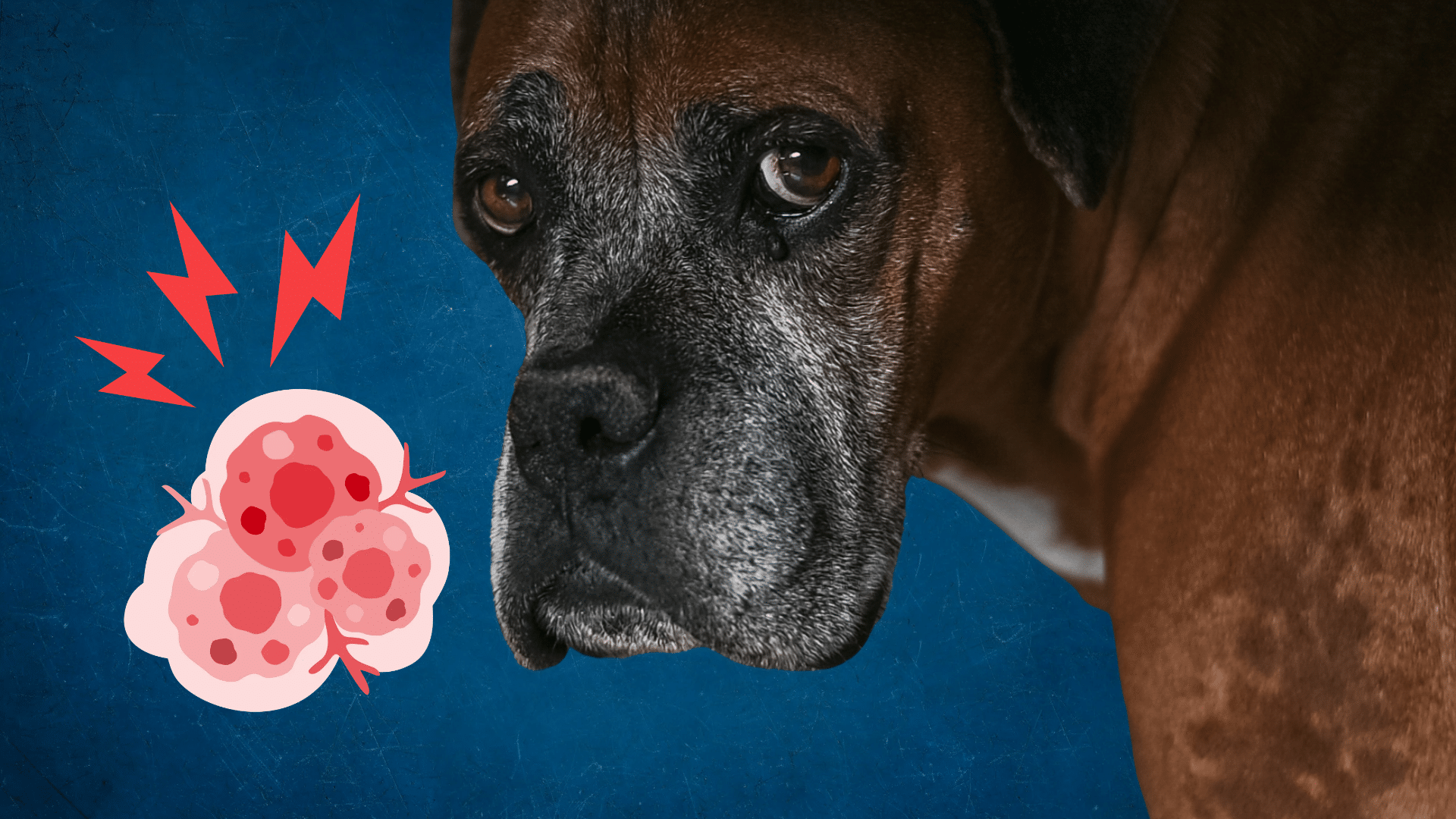
You’re scratching your dog’s belly or giving them a good brushing when you feel something unexpected: a lump that you don’t remember being there before. It’s natural to feel concerned, especially if your mind immediately jumps to cancer. Fortunately, cancer in dogs isn’t the only explanation for an unfamiliar bump.
Dogs develop lumps for many reasons. Some are harmless fatty growths, while others may be cysts, infections, or tumors that require medical attention. The tricky part is that even experienced pet owners can’t reliably distinguish between harmless and cancerous growths by appearance alone.
Center Veterinary Clinic provides comprehensive veterinary care for dogs and cats in Novato, CA,. If you’ve noticed a new or changing lump on your dog, have it examined at our animal clinic.
Does a Lump on My Dog Mean Cancer?
No, not every lump is cancerous. Dogs frequently develop benign growths, including lipomas, which are fatty masses beneath the skin. Cysts and localized inflammation can also cause noticeable bumps.
However, cancer in dogs becomes more likely with age, and certain breeds have an increased risk of developing specific types of tumors. That doesn’t mean every senior dog will develop cancer, but changes in their skin or overall health deserve attention. According to the American Veterinary Medical Association’s information about cancer in pets, approximately one in four dogs will develop cancer during their lifetime.
What Are the Warning Signs of Cancer in Dogs?
Although lumps are one possible sign of cancer in dogs, they aren’t the only symptom to watch for. Some cancers affect internal organs or other tissues without producing an obvious external growth.
Changes that warrant veterinary attention include:
- New lumps or bumps, particularly those growing quickly
- Unexplained weight loss
- Sores that won’t heal
- Unusual bleeding or discharge
- Changes in appetite or energy
- Persistent coughing or breathing difficulties
- Limping or unexplained swelling
- Difficulty eating, swallowing, or using the bathroom
These symptoms can occur with many noncancerous conditions, so noticing one doesn’t automatically mean your dog has cancer. However, persistent or unexplained changes should be evaluated by a veterinarian.
Severe breathing difficulties, uncontrolled bleeding, or sudden collapse require immediate emergency veterinary care.
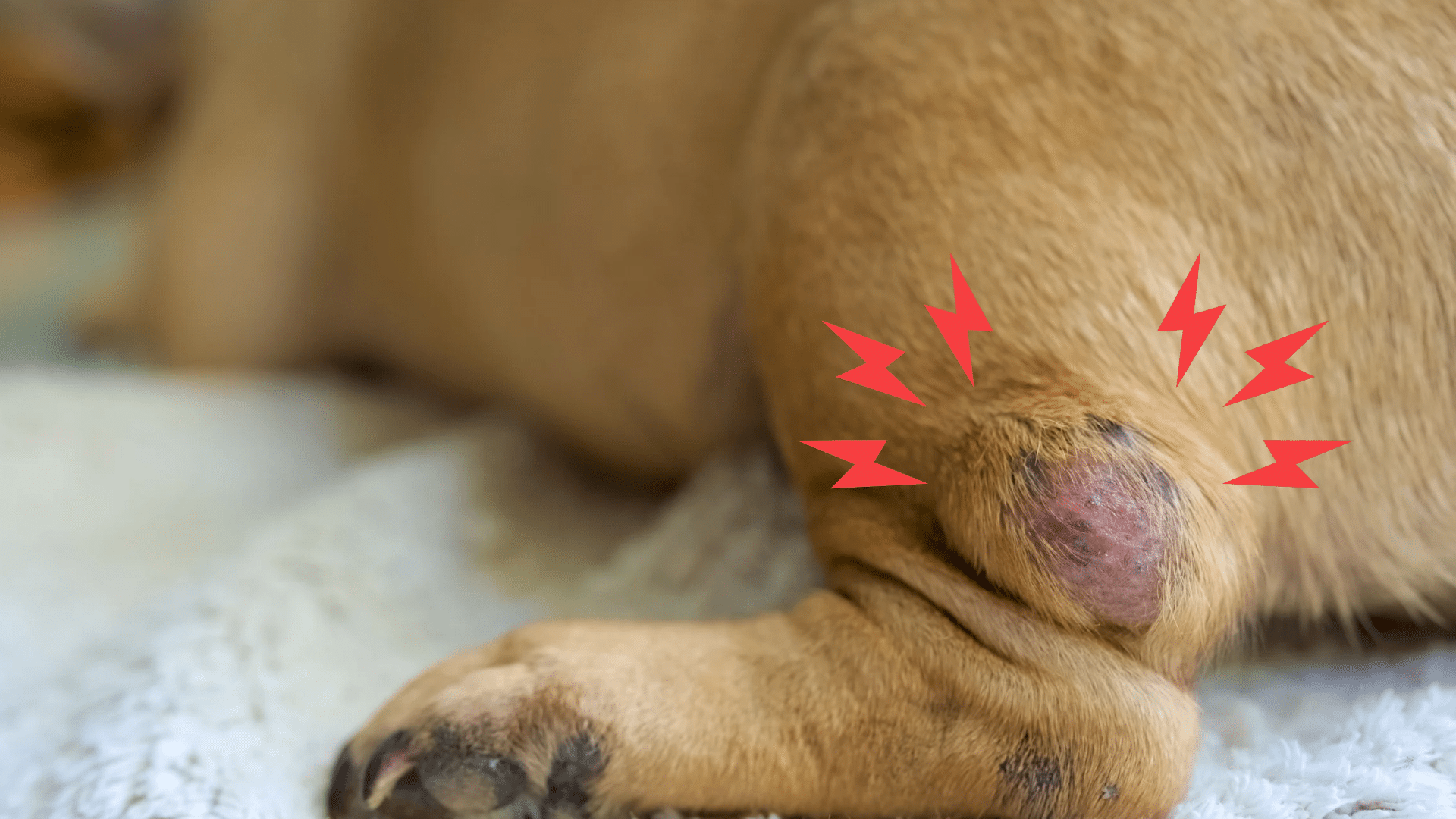
What Should I Do If I Find a Lump on My Dog?
Start by noting where the lump is located, how large it feels, and whether your dog seems uncomfortable when you touch the area. Avoid squeezing, puncturing, or attempting to remove the growth yourself.
The next step for dog owners in Novato is to arrange a visit to Center Veterinary Clinic. Your veterinarian can evaluate the lump’s characteristics and recommend appropriate diagnostic testing.
Depending on the findings, testing may involve collecting cells with a small needle, obtaining a tissue biopsy, or using imaging to investigate deeper structures. These procedures provide information that cannot be determined through touch alone.
How Can I Check My Dog for Lumps at Home?
Regularly examining your dog’s body is a simple way to become familiar with their normal skin and body condition. This is especially valuable as dogs age, since the risk of cancer in dogs generally increases over time.
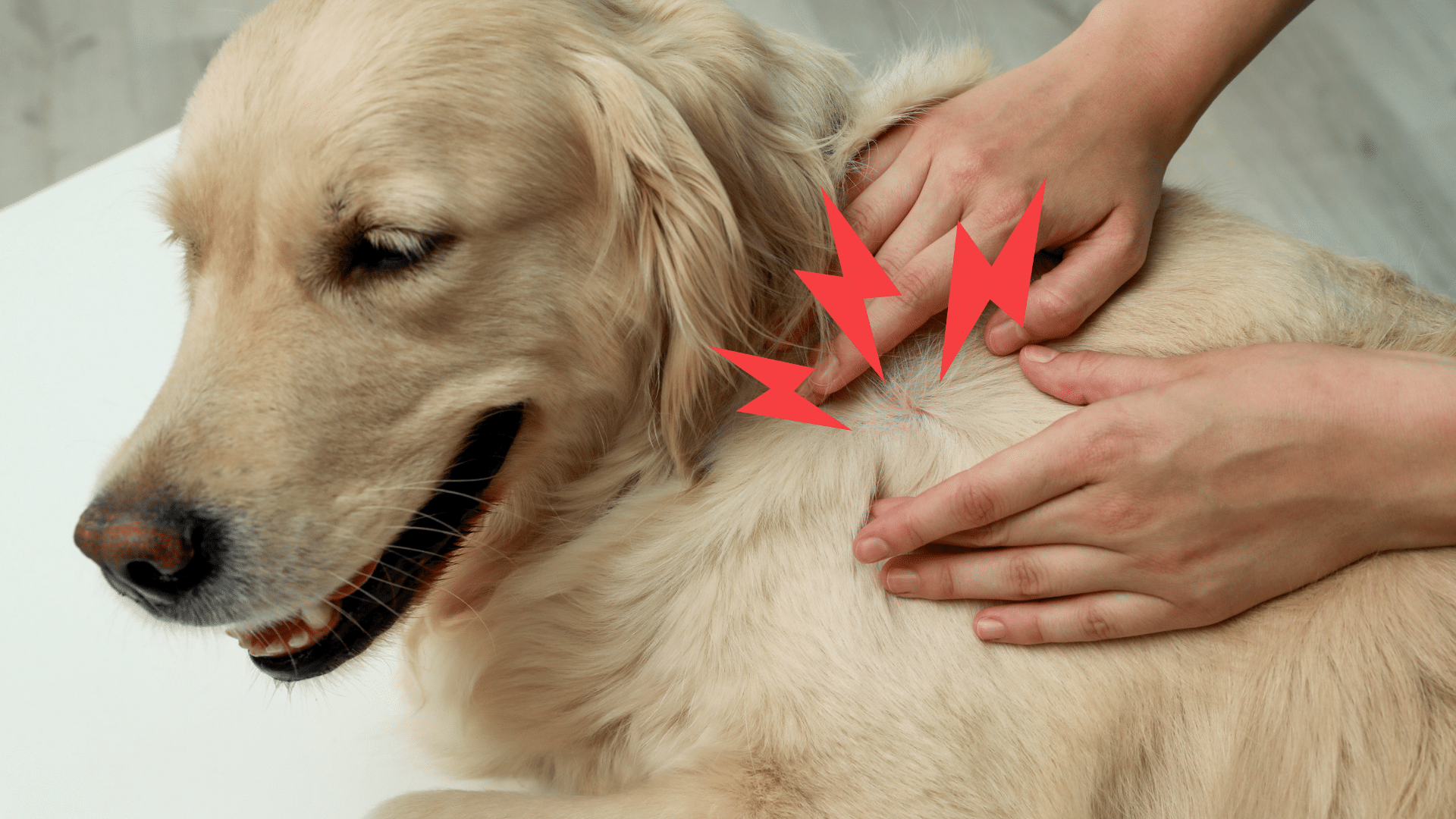
While petting or grooming your dog, gently run your hands along their neck, back, chest, abdomen, and legs. Check areas that are easily overlooked, including beneath the armpits, around the ears, and between the toes.
If your dog is comfortable, briefly look inside their mouth for unusual swelling or growths. Make a note of anything unfamiliar, including its location, approximate size, and whether it changes.
Can Dogs Develop Cancer Without Visible Lumps?
Yes. Some forms of cancer in dogs develop internally and may not produce a noticeable bump or mass.
Persistent digestive problems, unexplained weight loss, unusual fatigue, and changes in appetite can sometimes indicate an underlying illness.
These symptoms have many possible causes, but they should not be ignored. A veterinary examination can determine whether additional diagnostic testing is appropriate.
Get Your Dog’s Lump Checked in Novato, CA
Finding a lump on your dog can be frightening, but getting it evaluated is the best way to find answers. Whether the growth is harmless or requires further care, our veterinary team can guide you through the available options. Center Veterinary Clinic provides veterinary services for dogs and cats in Novato, San Rafael, and San Anselmo. If you’ve discovered an unfamiliar lump or noticed changes in your dog’s health, book an appointment with Center Veterinary Clinic.